
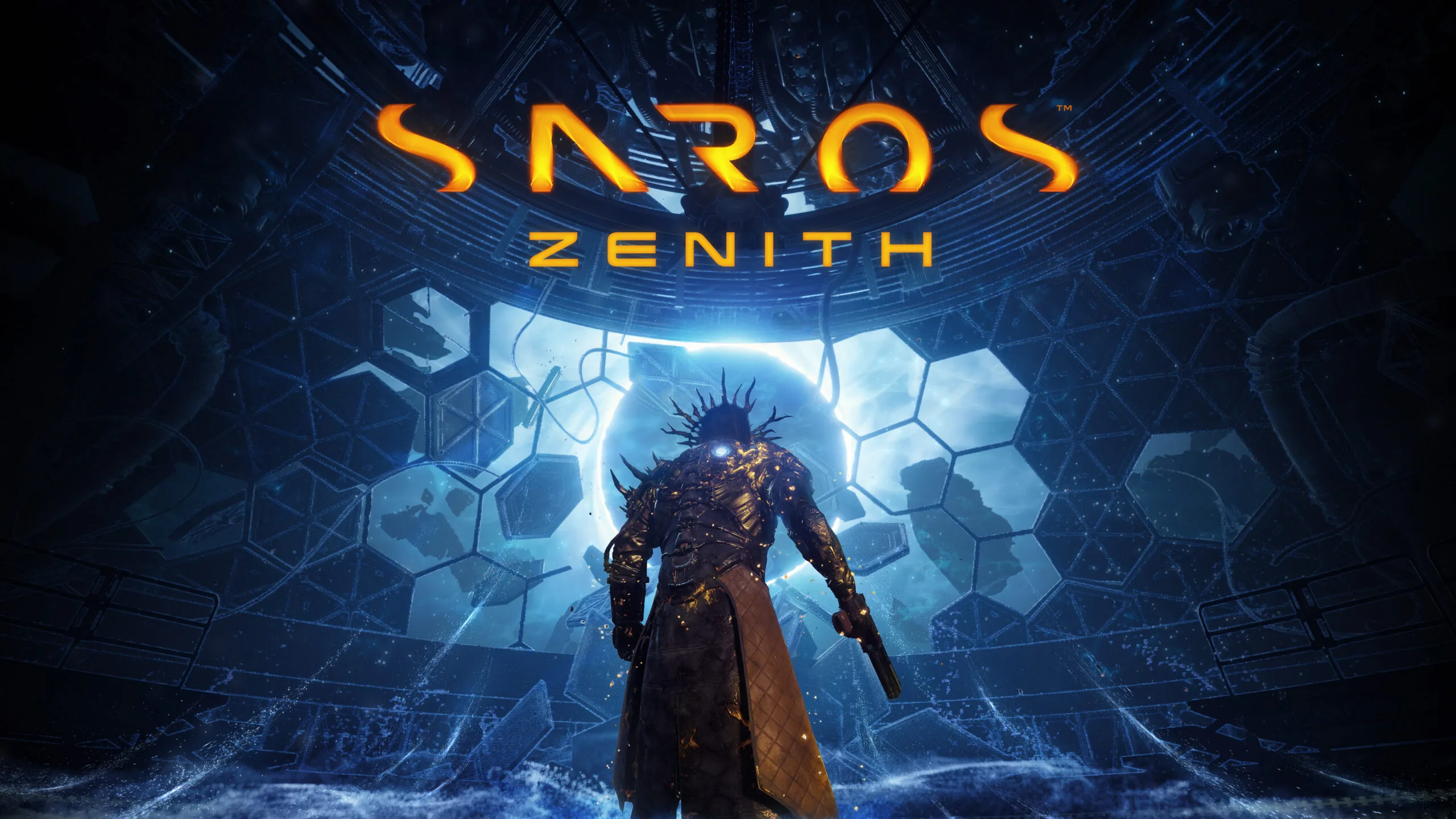
Saros: Zenith, the latest update for the popular 2026 action game, is now available to all owners starting October 19. This update focuses on improving accessibility for new players while maintaining the game's challenging combat system. Check the PlayStation Blog for the original details.
Key features include 'Slow Game Speed' to give players more time to react to projectiles, 'Auto-fire' to reduce button pressure during combat, and 10 new Protection Modifiers like 'Corruption Melee Enhancement' that turn a threat into a combat advantage.

Third-party game imagery. Copyright belongs to the respective rightsholders. Used in an editorial context; reuse permission has not been independently verified.
The update also introduces 10 Trial Modifiers for increased difficulty, such as 'Hostile Regeneration,' and the new 'Eclipse Layers' mode where players unlock progressively challenging game states with custom modifiers.
Players can compete globally in Overlord Rush, a timed mode against powerful Overlords with leaderboards based on chosen main weapons, allowing players to excel in their preferred weapon type even if they don't rank top overall.
Additionally, achieving higher levels of Carcosan Modifiers unlocks a glowing Crown and hidden 'Visions'—ancient messages that reveal deeper lore as players progress through the game's layers.
Housemarque emphasizes that Zenith balances accessibility with player skill, ensuring the game remains both approachable and deeply engaging for a diverse audience.
Slow Game Speed is adjustable rather than a single fixed setting. Players can choose the amount of slowdown and decide whether it activates automatically during encounters or through a manual toggle. Housemarque says the underlying attacks and projectile patterns are preserved, which means players gain reaction time without changing the hazards they need to read.
Auto-fire activates when a player aims at an enemy. That can reduce repeated or sustained firing inputs, but the studio points out that reloading still demands deliberate timing. Zenith also adds motion-sensor aiming, while existing button remapping remains available. Together these options can help people tailor controls around comfort without implying that every combat action has been automated.
The modifier system now distinguishes Protections, which make a run more forgiving, from Trials, which increase the demands placed on the player. Corruption Melee Enhancement turns accumulated Corruption into additional melee damage when it is spent on an enemy. At the opposite end, Hostile Regeneration can make finishing larger foes depend on getting close for a melee strike. These examples show why the choice of modifiers matters more than a simple easy-or-hard label.
Eclipse Layers are intended for players who have cleared the main game. New nodes in the Armor Matrix lead to more demanding New Game+ variations, where players must meet modifier thresholds before starting. The studio describes 25 available Trial Modifiers, which lets different combinations produce distinct challenges rather than a single preset difficulty ladder.
The Crown awarded during those runs also has a gameplay-related collectible role: its level affects which of 12 hidden Visions players can read. Overlord Rush, meanwhile, is entered from the Primary Unit in Passage and focuses on dispatching major bosses quickly, with leaderboards separated by primary weapon. Players mainly interested in the story can use the accessibility options, while veterans looking for repeatable challenges have two distinct modes to explore.