
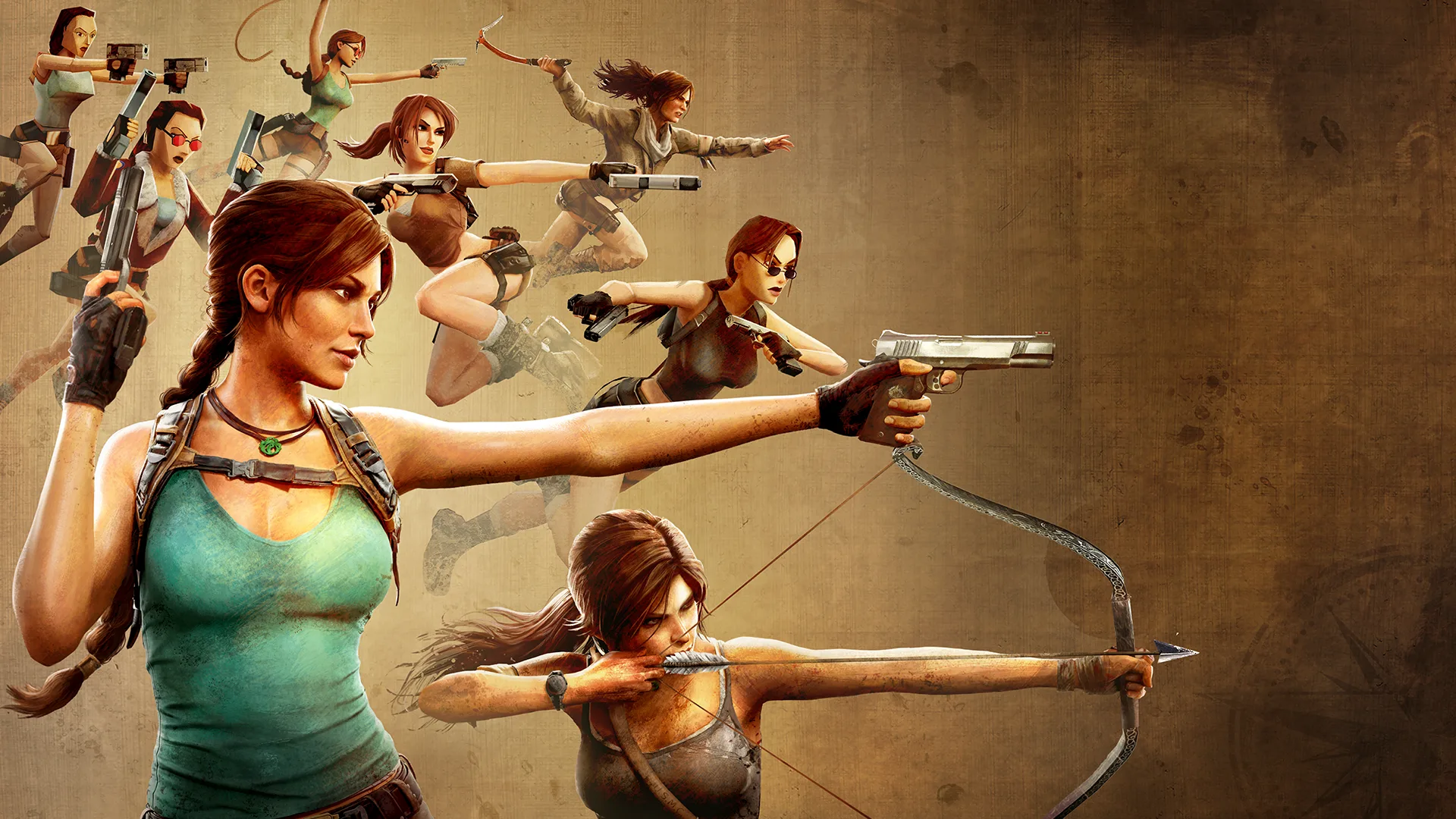
Tomb Raider: Legacy of Atlantis reimagines Lara Croft’s original 1996 design using technology the original team could only dream of, while maintaining her instantly recognizable silhouette. The game, set to launch on PlayStation 5, marks the 30th anniversary of Lara’s first appearance in gaming history. Check the PlayStation Blog for the original details.
Crystal Dynamics’ character team anchored the redesign around the 1996 Lara model, emphasizing how each console generation has progressively improved her appearance. The PlayStation 2 era’s Legend, Anniversary, and Underworld games introduced smoother geometry and more expressive animation, while the Survivor trilogy further enhanced her detail and realism.
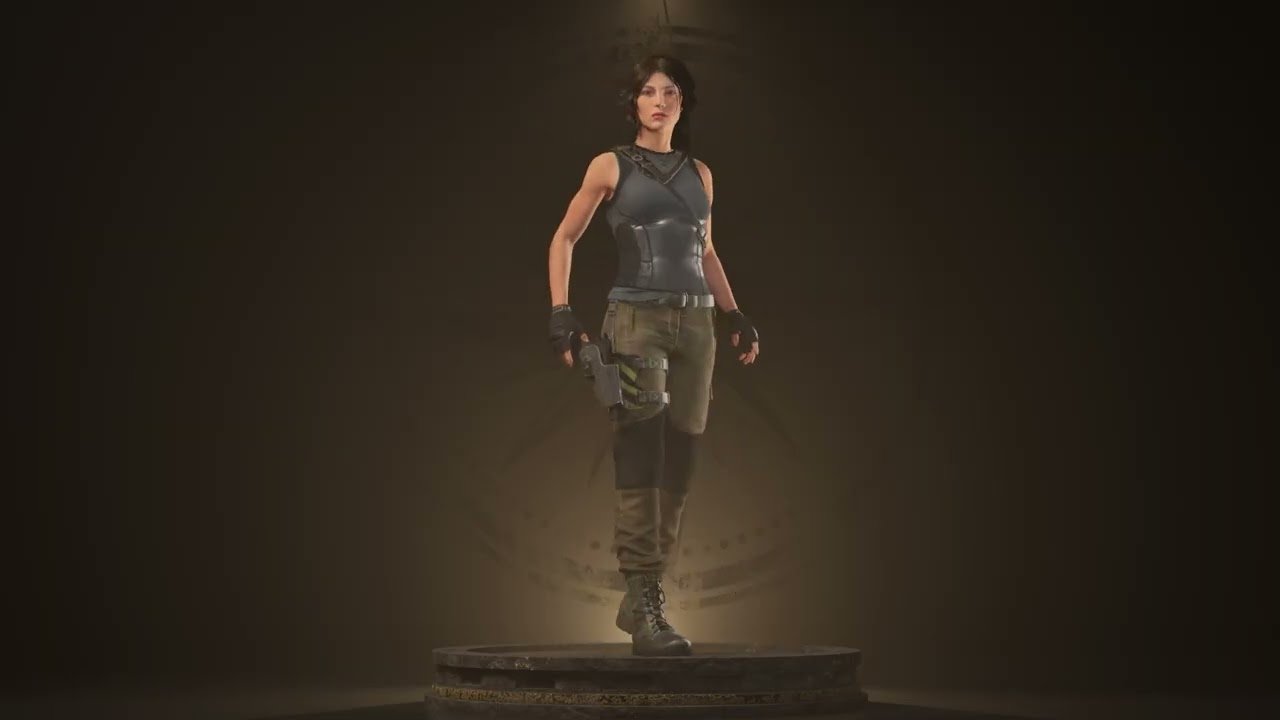
Third-party game imagery. Copyright belongs to the respective rightsholders. Used in an editorial context; reuse permission has not been independently verified.
To achieve greater realism, the developers leveraged modern techniques like hair cards—thin, semi-transparent texture strips that mimic real hair strands—instead of the polygon-based shapes used in early games. They also implemented subsurface scattering for skin to create lifelike lighting effects and blend shapes for nuanced facial expressions.
For authentic fabric details, the team collaborated with a real-world tailor to create a physical outfit, which was then scanned onto a mannequin. This process ensured realistic cloth behavior, such as how denim folds differently from silk or cotton.
Narrative Director John Stafford outlined three key aspects of the redesign: preserving Lara’s intelligence and fearlessness, deepening her emotional depth without losing confidence, and unifying the mythic, grounded, and larger-than-life tones from multiple Tomb Raider eras into one cohesive character.
The game’s design prioritizes emotional resonance over technical changes, ensuring Lara remains relatable across all eras. Stafford emphasized that Lara must always feel like someone who needs to know what’s behind the next door, maintaining her curiosity and spirit of discovery regardless of the era.
One production detail stands out beyond higher polygon counts: the team built a real-world reference for clothing before converting it into a digital asset. Crystal Dynamics describes printing the character's body at life size, working with a clothing vendor to dress a mannequin, and scanning the physical results. The process aims to capture how different fabrics drape in ways that are harder to judge from a flat concept image alone.
The facial work also goes beyond resolution. According to Crystal Dynamics, specialized blend shapes let Lara's face form more precise expressions, including the small lines visible around her forehead or mouth. Combined with hair cards and skin materials, those tools offer a way to preserve a recognizable character while making performance and facial reactions more nuanced in real-time scenes.
Flying Wild Hog's senior character concept artist Aleksandra Skiba describes recognizability as an explicit design constraint. Improving realism can affect proportions, hairstyle, facial features, and costume shapes, so the character team's job is to balance those changes with the iconic 1996 silhouette. For readers interested in 3D character design, that means the challenge involves art direction and continuity as much as technical detail.
The developers also draw a distinction between this game and an earlier remake. Narrative director John Stafford says the Anniversary project revisited one classic game through a modern perspective, while Legacy of Atlantis seeks to bring together several eras of Lara. The team cites the Survivor trilogy's physicality and believable reactions to danger as influences alongside the adventurer's traditional confidence and curiosity.
PlayStation's October 22 article names February 12, 2027 as the intended launch date and says pre-orders are open. Its detailed discussion is primarily about character art and storytelling intentions, so those comments should not be read as independent verification of final gameplay performance, animation quality or the contents of each edition. Readers can follow the original interview and official PlayStation listing for updates.