
PlayStation's blog post details the collaborative development process between Housemarque and Nixxes for Saros, highlighting their joint work on set-piece bosses. Housemarque contributed creative vision, world design, combat language, visual concepts, and bullet-hell gameplay DNA, while Nixxes handled encounter design, animation, environments, lighting, and technical implementation. The result was a series of boss encounters designed to challenge players, surprise them, and deliver the spectacle PlayStation expects from Housemarque's action games. Check the PlayStation Blog for the original details. For the related official page, see Saros.
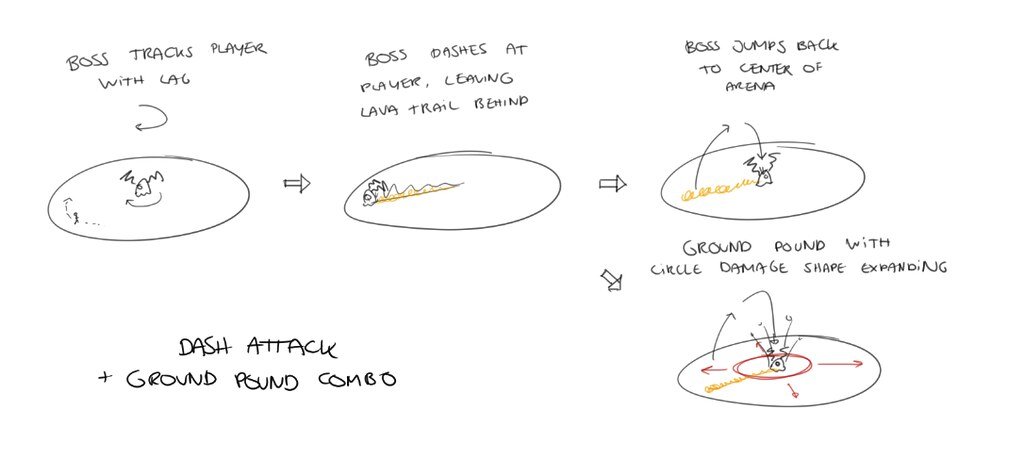
Boss fights in Saros are fully staged encounters rather than simple enemies with larger health bars, requiring close collaboration from the start. Housemarque managed boss concepts, visual direction, and VFX identity, whereas Nixxes focused on animation, environments, technical design, boss behavior, and attack implementation. Each boss was developed through a structured process: a briefing outlining vision and gameplay goals, followed by Nixxes pitching solutions, building prototypes, and refining through iteration, playtesting, and polish before final shipping.
Third-party game imagery. Copyright belongs to the respective rightsholders. Used in an editorial context; reuse permission has not been independently verified.
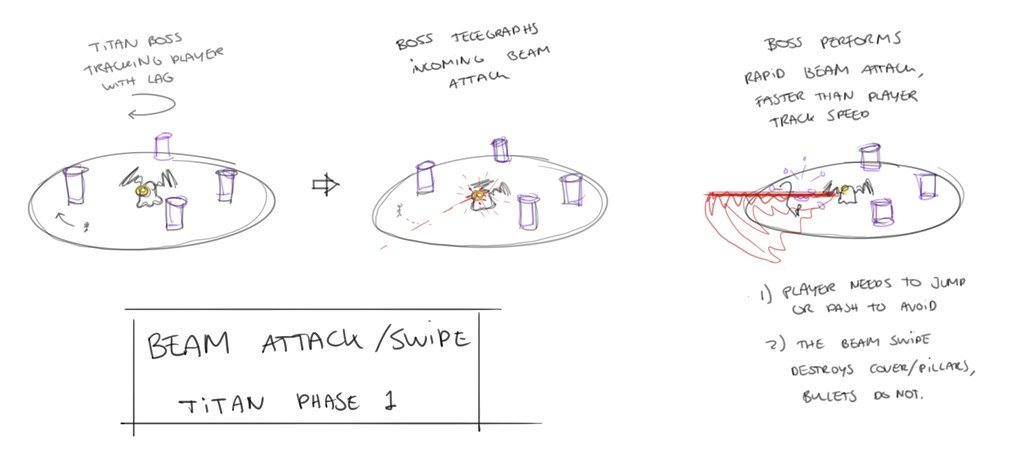
Saros bosses follow specific design principles, including three distinct phases per encounter that evolve the visual and gameplay experience. A typical boss battle lasts three to eight minutes, with challenges derived from boss behavior, arena transformations, environmental hazards, bullets, beams, and physical attacks. The encounters also encourage players to use shield, jumping, parrying, and dashing abilities, ensuring attacks prompt intentional movement rather than panic. Crucially, the design team prioritized player understanding of defeat reasons, actionable improvements, and the desire to retry after loss.
The Prophet serves as the introductory boss, appearing early to teach players Saros' boss mechanics without becoming a major progression barrier. It balances dramatic intensity with welcoming structure, setting expectations for future encounters. The Architect is a high-stakes fight atop a collapsing tower, where environmental destruction and the grapple hook become essential survival tools. The Shepherd, the largest boss, features massive tentacles that shrink the arena and spawn attacks from unexpected angles, culminating in a sloped arena battle.
The Priestess offers a surreal, illusion-based encounter that transitions from clone combat to a floating arena, blending combat, puzzle-solving, and platforming. The King, as the final boss, escalates in intensity from controlled and relentless to feral unpredictability, testing player mastery without relying on complex gimmicks. Each boss was designed to feel fair, thrilling, and replayable, with the team emphasizing memorable moments and player-driven progression.
Saros: Zenith introduces Overlord Rush mode, allowing players to revisit Saros' boss battles in a faster, more replayable format. This feature enables competition for leaderboard rankings, building on the collaborative design work between Housemarque and Nixxes to enhance the game's accessibility and replay value.